AI & Software Engineer specialising in agentic architectures, retrieval-augmented generation, and multimodal model optimisation, with experience building production AI systems and publishing technical articles for the developer community.
The only limit is your imagination.
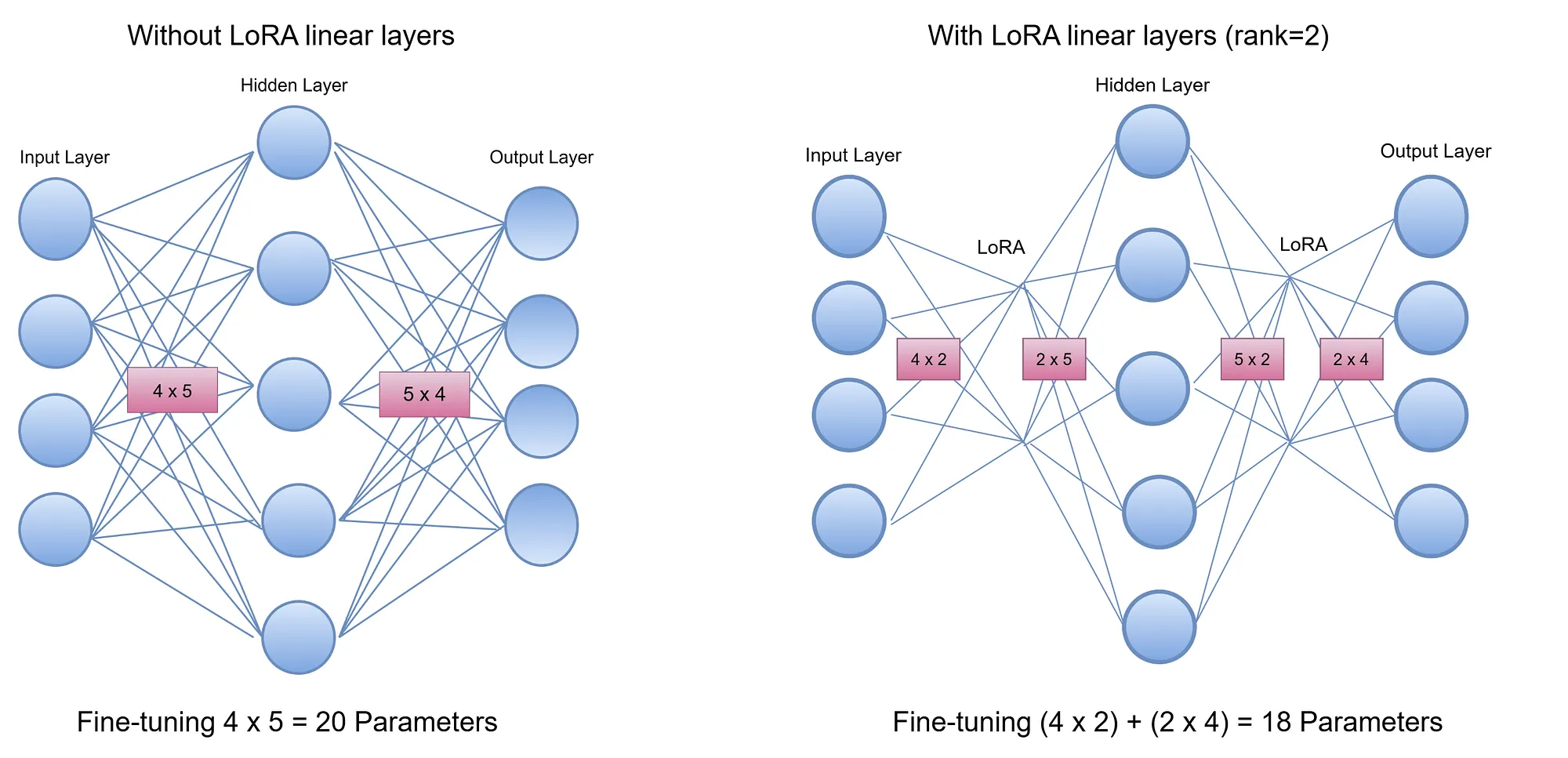
My work focuses on building practical AI systems that combine reasoning models, structured retrieval, and autonomous agents to solve real-world problems. I have developed multiple LLM applications including research assistants, agentic product search systems, and scalable inference pipelines. I also publish technical articles exploring modern AI engineering topics such as GRPO training, LoRA fine-tuning, and production RAG architectures.
I hold an MSc in Artificial Intelligence (Distinction) from the University of Essex, where I worked on predictive modelling, generative modelling, and large language models. I currently work as an Analyst Developer at the University of Bedfordshire, contributing to AI-driven cloud systems that support the digital transformation of enterprise platforms. In parallel, I am a founder building AI agent infrastructure, an open-source contributor, and a technical writer publishing in-depth articles for leading AI publications.
My research direction focuses on multimodal intelligence and world models as a path toward more robust and data-efficient machine learning systems. This direction was shaped by my earlier work, where I observed that many state-of-the-art models rely heavily on large-scale labeled datasets and often fail to generalise when faced with out-of-distribution scenarios.I am particularly interested in building predictive world models that capture the underlying structure, dynamics, and causal relationships of environments across modalities such as vision, language, and action.
Key research projects and contributions.
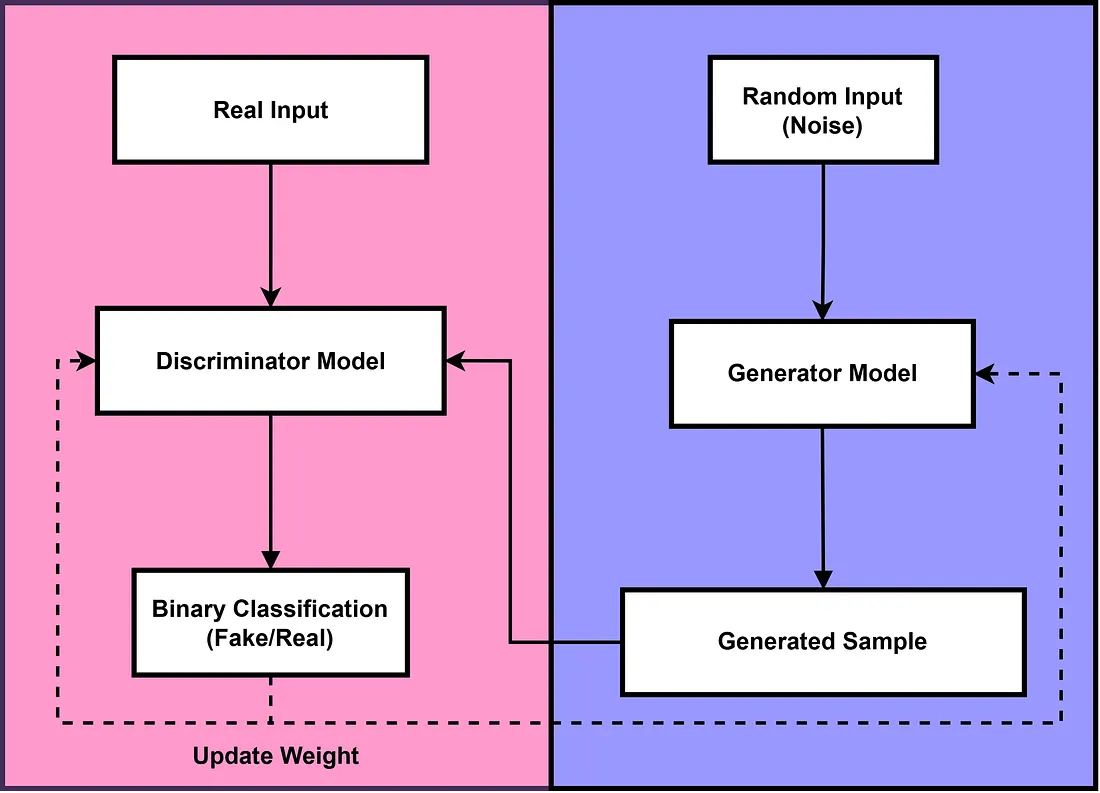
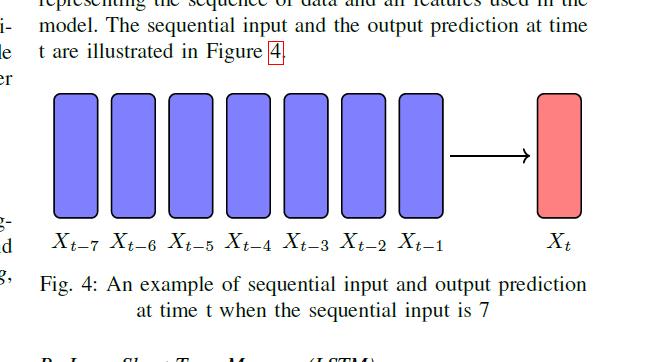
Stock price prediction is a challenging task due to the inherent volatility of the market and the complexity of price movement. The proposed model, Sentiment-Enhanced GAN (SE-GAN), integrates sentiment analysis with generative adversarial networks (GANs) to generate more robust and accurate stock price predictions. The SE-GAN model demonstrates the lowest Root Mean Square Error (RMSE) compared to baselines including LSTM, GRU, and TimeGPT.
Keywords: Stock Price Prediction, Sentiment Analysis, GANs, FINBERT
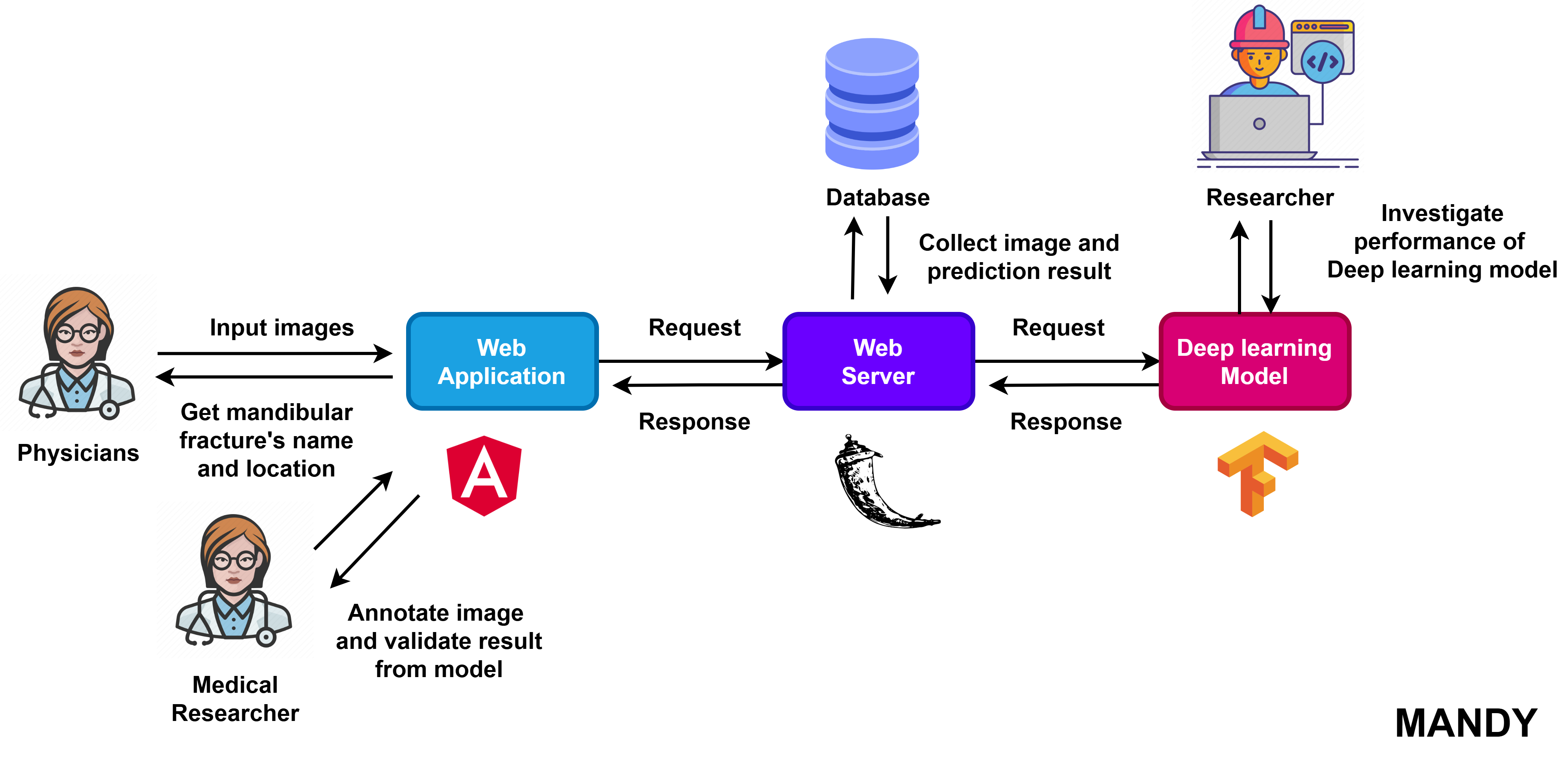
This research investigates relevant models for X-ray image classification using convolutional neural networks (CNNs) and transfer learning to identify mandibular fractures, and employs Gradient-weighted Class Activation Mapping (GradCAM) to localize fracture locations. The trained model was deployed as a diagnostic system to assist non-specialist doctors.
Keywords: CNN, GradCAM, Mandibular Fracture, Classification, Localization, X-ray
I regularly publish articles explaining AI-related topics including reasoning optimisation, multimodal model training, and retrieval-augmented generation. These articles focus on practical implementation techniques for modern AI systems and are read by developers interested in applied machine learning.
A practical guide for VLMs Post Training with TRL
Read Article
Understanding bits & bytes and Model Quantization
Read Article
Efficient Fine-tuning with LLaVA
Read ArticleI develop AI systems that combine retrieval-augmented generation, multi-agent reasoning, and scalable LLM inference to solve real-world problems. A project example is PickSmart (open source), an agentic AI product search platform that uses retrieval-augmented generation and LLM agents to analyse product reviews and generate personalised recommendations.
Academic foundation and professional certifications.
I am particularly interested in building AI systems that bridge the gap between cutting-edge research and real-world applications. My goal is to design infrastructure and platforms that make advanced AI capabilities accessible to organisations and developers.
Apart from technology, I enjoy science, evolution, and history. Visiting museums is another hobby of mine.